A Sacred Place Since 1846

A faithful reconstruction of the Church's second temple—rebuilt on its original footprint as a memorial to the Saints who sacrificed everything to build it.

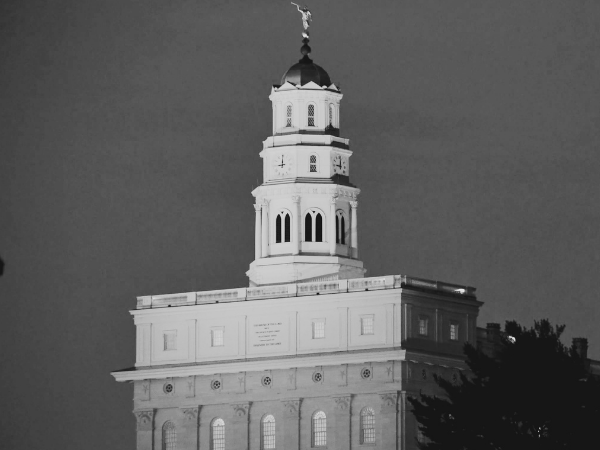
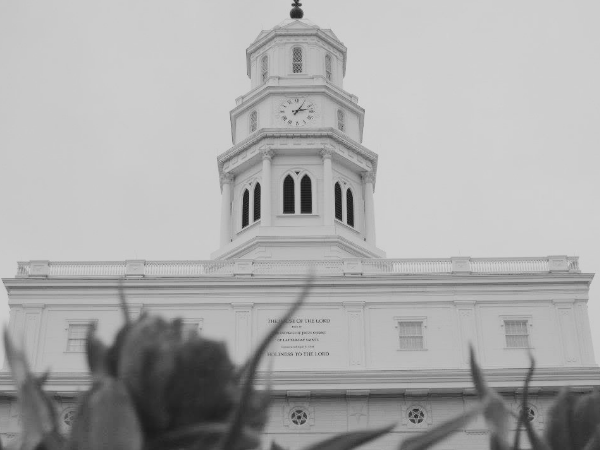
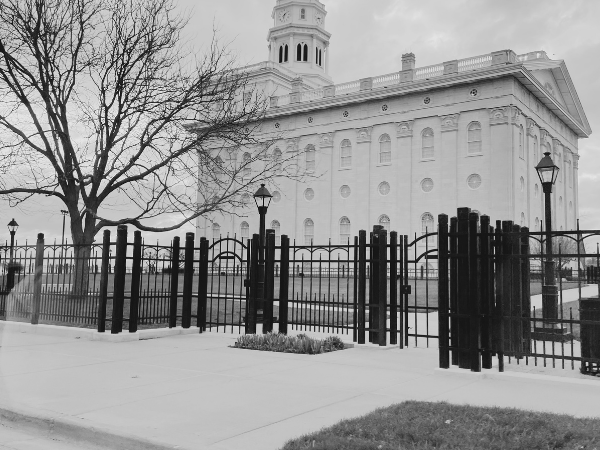
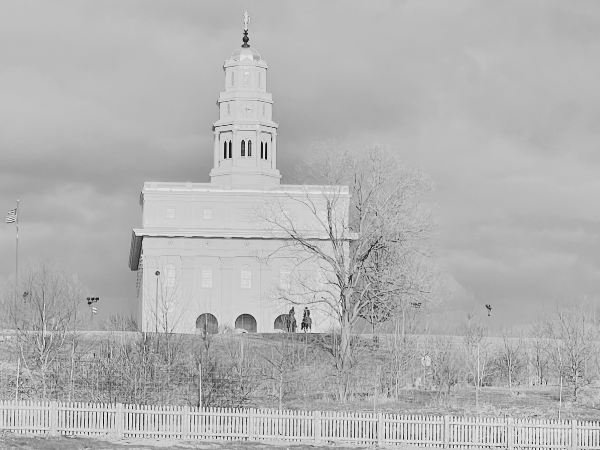
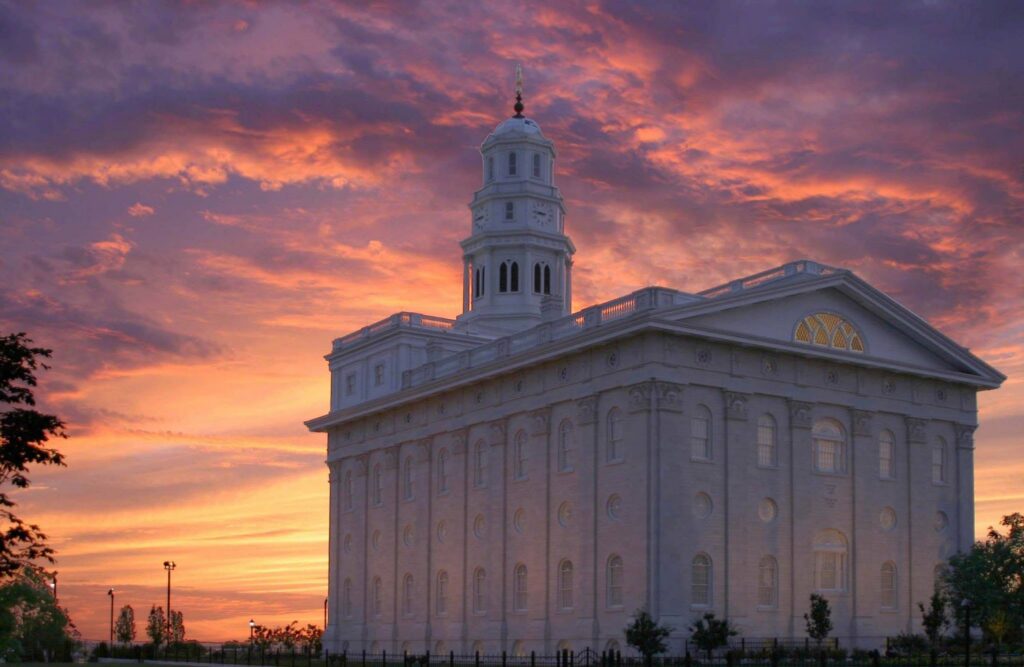
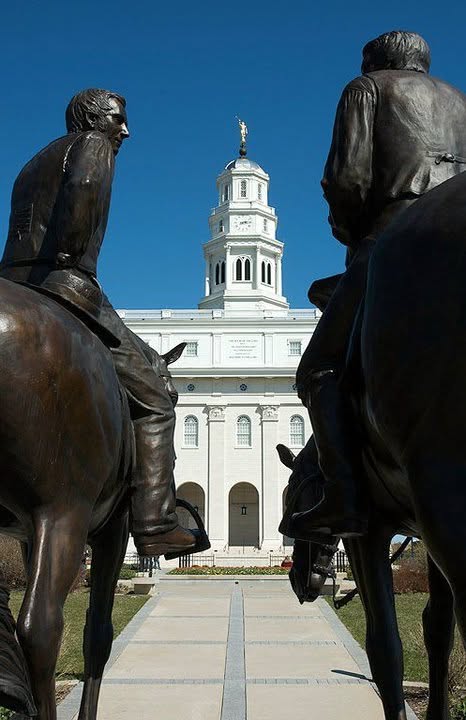
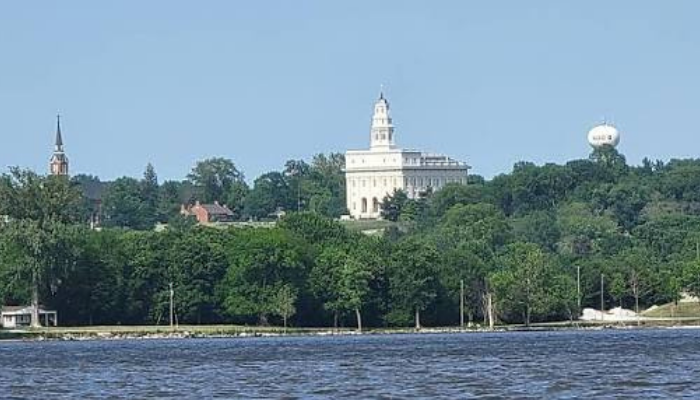
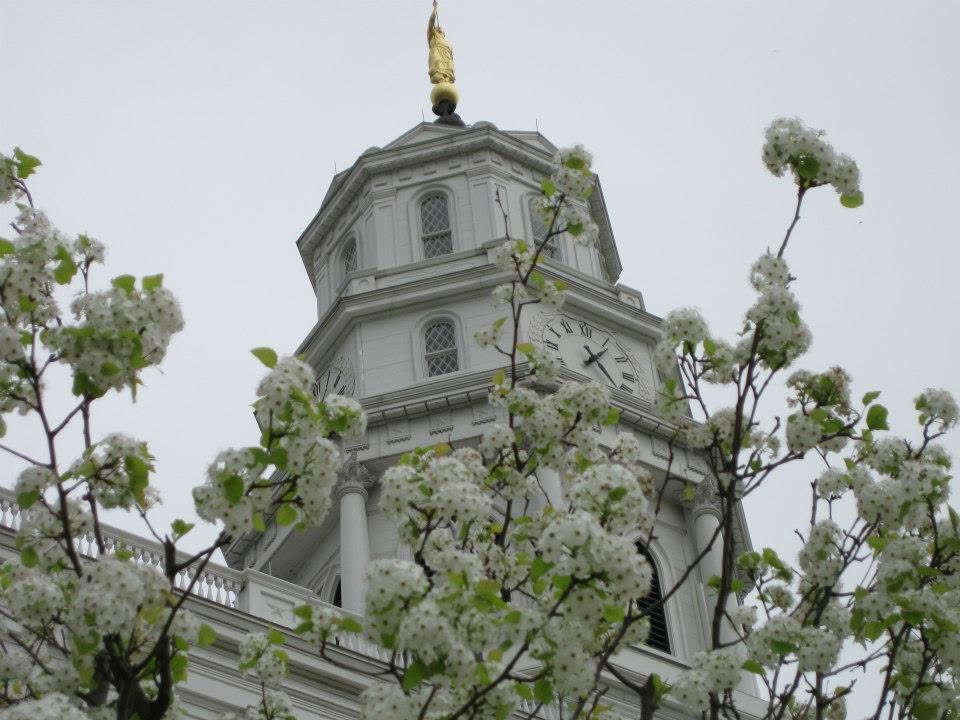
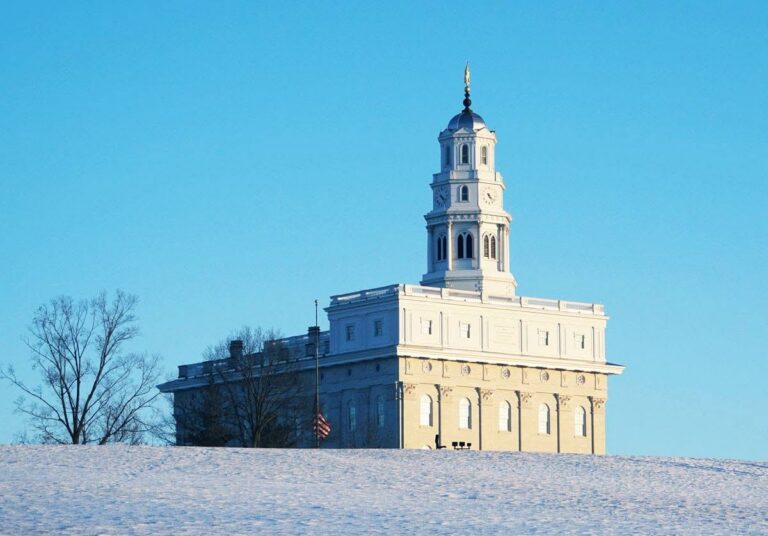
Standing on a high bluff overlooking a bend in the Mississippi River, the Nauvoo Illinois Temple is a near-exact recreation of the original temple built by early Latter-day Saints in the 1840s. Its return to the skyline in 2002 marked the close of a 156-year chapter of loss and the permanent return of the faith to Nauvoo.

1846

Original Dedication

2002

Rededication

1st

In Ohio

Our Story

1839

Saints Gather in Nauvoo

Latter-day Saints begin gathering on the banks of the Mississippi, transforming what was little more than a swamp into a thriving city of more than 10,000 within six years.

1841

Cornerstone Laid

On April 6, 1841, the cornerstone is laid for the first Nauvoo Temple. Members contribute through “labor tithing,” donating every tenth day to the sacred building’s construction.

1846

Original Temple Dedicated

With the Saints already being driven from the city, a small crew finishes the first floor in time for private dedication on April 30 and public dedication on May 1, 1846—just before the exodus west begins.

1848

Destroyed by Fire

Abandoned by the Saints and unable to be sold, the temple is deliberately set on fire on October 9, 1848—an act intended to discourage the Saints from ever returning. A tornado topples much of what remains in 1850.

2002

Temple Rebuilt and Rededicated

On June 27, 2002—158 years to the hour of Joseph and Hyrum Smith’s martyrdom—President Gordon B. Hinckley dedicates the rebuilt Nauvoo Illinois Temple on the same site, closing a chapter of loss that had lasted more than a century and a half.

Today

A Living Legacy

More than a million visitors come to Nauvoo each year to see the temple and walk the same ground where the early Saints once sacrificed so much for their faith.

Distinctive Design

The Nauvoo Illinois Temple is a faithful reconstruction of the original 1846 temple, designed to match architect William Weeks’ Greek Revival design as closely as possible. Church researchers studied historical photographs, written descriptions, and drawings—some donated by Weeks’ own descendants—to recreate the building.

Designed by FFKR Architects and built with limestone quarried from Russellville, Alabama, to match the color and texture of the original, the temple’s exterior is clad in reinforced concrete for lasting strength while preserving the historic look Joseph Smith described to Weeks in a vision.

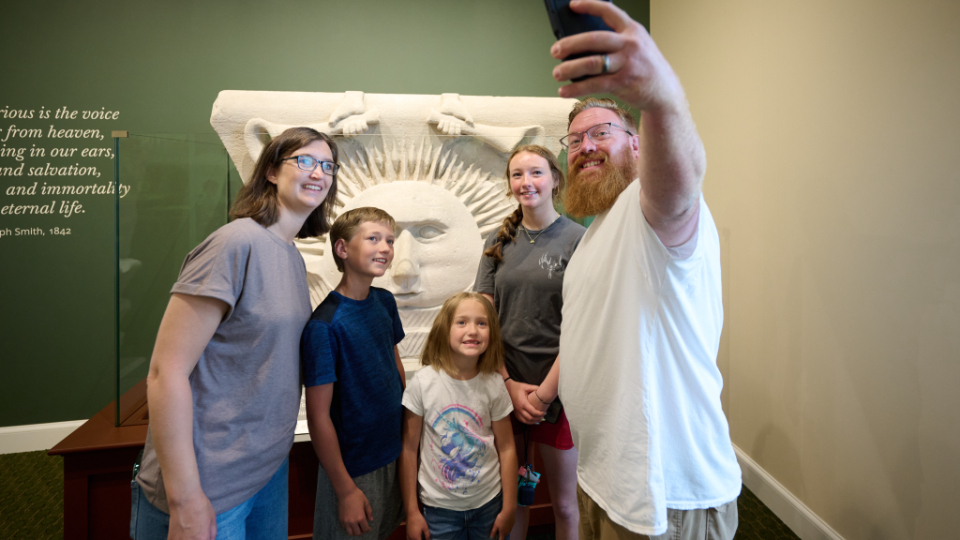
  • Pilasters adorned with sunstones, moonstones, and starstones symbolizing the glory of the cosmos
  • Angel Moroni statue facing west toward the Mississippi River and the Saints’ path west—unlike most temples, which face east
  • The largest baptismal font in the Church
  • Hand-painted murals in the style of the Hudson River School decorating three progressive ordinance rooms

What Temples Mean to Us

Temples hold a special place in the faith and practice of Latter-day Saints around the world.

House of the Lord

Temples are considered the most sacred spaces on earth—places where heaven and earth feel close together.

Eternal Families

Marriages and family bonds are sealed for eternity, reflecting the belief that family relationships continue beyond this life.

Peace & Revelation

A place to step away from the world, seek guidance, and find clarity through prayer and quiet reflection.

Jesus Christ

Everything about the temple is meant to point one’s heart and mind to Jesus Christ, the Son of God. 

One thing I ask from the Lord, this only do I seek: that I may dwell in the house of the Lord all the days of my life, to gaze on the beauty of the Lord and to seek him in his temple.

Experience It for Yourself

The temple grounds and Visitors’ Center are open to all. Come see this historic landmark and discover why it’s touched so many lives.